Are Clear Aligners Safe? A Dentist Explains the Materials Behind Invisalign
Quick Answer
Yes, clear aligners are safe when they are planned and supervised by a qualified dentist. The materials are designed for comfortable wear inside the mouth, and most people experience only mild, temporary pressure as teeth shift.
Key Takeaways
- Clear aligners are safe when a dentist plans and monitors your treatment from start to finish.
- Modern aligner materials are made for comfortable wear and are designed to be safe inside the mouth.
- Daily cleaning with gentle agents protects both your aligners and your gums.
- Aligners work best for mild to moderate crowding, spacing, and bite issues.
- Dr. Jigar Nandola at South Kitchener Dentistry offers a convenient plan with fewer in-office visits.
Quick Answer: Are Clear Aligners Safe?
Yes, clear aligners are safe when your treatment is planned and supervised by a qualified dentist. The smooth, removable trays are designed for comfortable wear inside the mouth, and the vast majority of people only feel mild, short-lived pressure as their teeth move into place.
The short, evidence-based verdict
Clear aligners have been used to straighten smiles for well over two decades, and research continues to support their safe use. A helpful summary written for dentists explains how aligners move teeth gradually and what makes them a reliable choice for the right cases. You can read that overview, which walks through how aligners work and where they fit best, in this review on what every dentist needs to know about clear aligners. The key takeaway is simple: aligners are safe and predictable when a trained dentist guides the plan.
Who should supervise your treatment?
A licensed dentist should always oversee your aligner journey. At South Kitchener Dentistry, Dr. Jigar Nandola reviews your bite, gums, and teeth before any trays are made, which keeps your treatment both safe and effective. Supervision matters because a dentist can catch small issues early and adjust your plan before they become bigger problems.
A note from Dr. Jigar Nandola“Clear aligners are one of the safest ways to straighten teeth, but safety always comes down to proper planning and the right diagnosis. When I guide a case from the first scan to the final tray, patients get a smooth and predictable result.”
What Clear Aligners Like Invisalign Are Actually Made Of
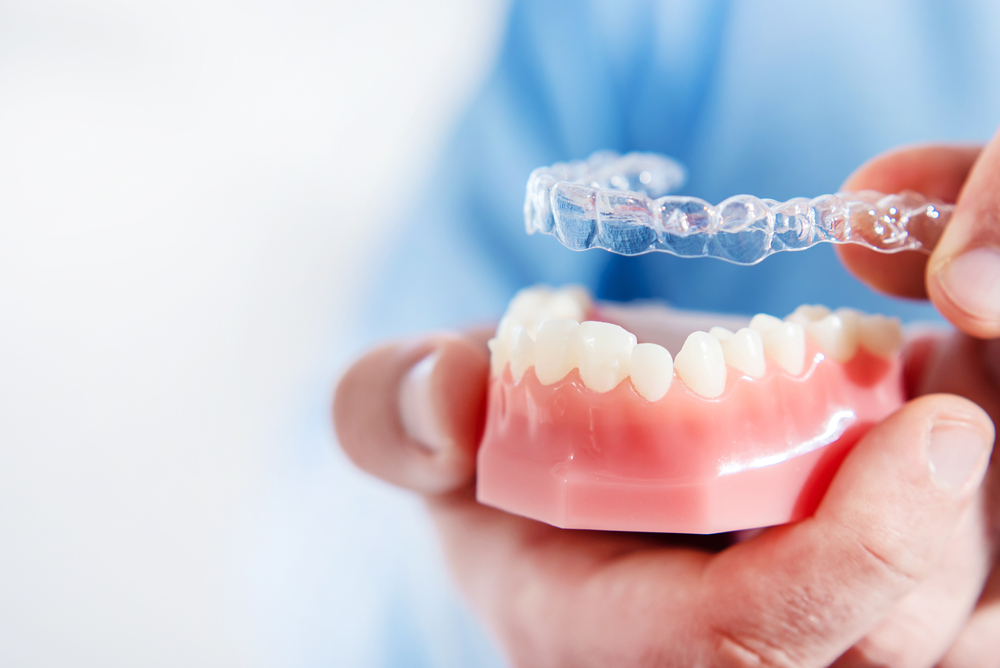
Clear aligners are made from clear, flexible plastic trays that are custom-shaped to fit snugly over your teeth. They are designed to apply gentle, controlled pressure that moves teeth a little at a time, and the material is chosen because it is smooth, comfortable, and safe for everyday wear.
Thermoplastic polymers explained
Most aligners are made from a type of medical-grade plastic that softens slightly with warmth and then holds its shape. This is what allows the tray to hug your teeth and nudge them gently toward their target positions. Because the plastic is smooth and thin, it tends to feel far less bulky than metal brackets and wires.
3D-printed resin aligners and biocompatibility
Some newer aligners are printed directly using safe resin materials. A detailed review looked closely at how well these printed materials perform inside the mouth and whether they are gentle on surrounding tissues. That analysis of the safety of 3D printing resins used for aligners found that properly manufactured and fully cured materials are suitable for use in the mouth, which is reassuring for anyone considering modern aligner options.
How manufacturing standards affect safety
Quality control makes a real difference. Aligners produced by established brands follow strict manufacturing steps so that each tray is clean, smooth, and free of rough edges. This is one more reason to have your aligners managed through a trusted practice like South Kitchener Dentistry rather than ordering unsupervised kits online.
Are the Materials Biocompatible and BPA-Related Concerns
Clear aligner materials are made to be safe for wear inside the mouth, and leading brands such as Invisalign state that their aligners are not made with BPA. For most patients, this means you can wear your trays with confidence day after day.
What current research says about resin safety
Research into aligner materials continues to support their safe use when they are produced and handled correctly. The review of 3D printing resins mentioned earlier highlights that fully processed aligners behave well in the mouth, and it also encourages ongoing quality checks by manufacturers. In practical terms, choosing aligners through a dental office gives you an extra layer of assurance that your trays meet proper standards.
Addressing common chemical worries
It is natural to wonder what you are putting in your mouth every day. The good news is that reputable aligners are designed to be free of the chemicals people worry about most, and the amount of contact your mouth has with the smooth plastic is gentle. If you have sensitivities or questions, Dr. Jigar Nandola is happy to review the specific materials used in your plan during your visit.
Clear Aligners and Your Oral Health
Clear aligners can support good oral health because they are removable, which makes brushing and flossing easier than with fixed braces. Keeping your mouth clean during treatment is one of the most important things you can do for a healthy, safe result.
Impact on the oral microbiome
Wearing trays does change the environment in your mouth, so good habits matter. A systematic review examined how aligners affect the natural balance of bacteria and found that keeping both your teeth and trays clean helps maintain a healthy balance. You can explore that research on the effect of clear aligners on the oral microbiome, which reinforces how daily cleaning keeps your gums and teeth in good shape throughout treatment.
Keeping gums and teeth healthy during treatment
Simple routines protect your smile while you straighten it. The habits below go a long way toward a safe and comfortable experience.
- Brush your teeth before placing your aligners back in.
- Floss daily to keep gums healthy and firm.
- Rinse your trays before wearing them again.
- Keep up with your routine dental cleanings at South Kitchener Dentistry.
How to Keep Your Aligners Clean and Safe
Keep your aligners clean by rinsing them often and using gentle cleaning agents that will not scratch or cloud the plastic. Clean trays look clearer, smell fresher, and help keep your mouth healthy.
Evidence-based cleaning agents
Not all cleaners are equal, and some can change the color or texture of your trays. A controlled study compared several cleaning agents to see which kept aligners clear and smooth. That trial on cleaning agents and aligner surface quality found that gentle options help preserve a clear, smooth finish, while harsher products can dull the surface over time. Choosing the right cleaner protects both the look and the hygiene of your trays.
Cleaning mistakes that damage aligners
Use these
- Lukewarm water for rinsing
- A soft toothbrush with mild soap
- Dentist-recommended cleaning crystals or tablets
- A clean storage case when trays are not in use
Avoid these
- Hot or boiling water that can warp trays
- Colored or heavily scented soaps
- Abrasive whitening toothpaste
- Harsh household cleaners
When Clear Aligners Work Best (and Their Limits)
Clear aligners work best for mild to moderate crowding, spacing, and many common bite concerns. They are a strong choice for a wide range of smiles, but some complex cases need additional approaches.
Clear aligners treat cases effectively
- Gaps between teeth
- Mild to moderate crowding
- Minor bite corrections
- Teeth that have shifted after previous treatment
Why dentist supervision matters for safety
A dentist makes sure aligners are the right tool for your situation. Dr. Jigar Nandola reviews your teeth, gums, and bite before treatment begins so your plan is both safe and realistic. If your case needs a different approach, he will let you know honestly rather than pushing a one-size-fits-all solution.
Getting Safe Clear Aligner Care in Kitchener, ON
Safe aligner care in Kitchener starts with a thorough consultation and a plan built just for you. At South Kitchener Dentistry, your treatment is mapped from start to finish, so you enjoy a smooth experience with fewer in-office visits.
No regular check-ins necessary
You will visit South Kitchener Dentistry at set dates that are convenient for you. Your treatment is planned from start to finish, so you do not have to come in for checkups as often as you would with traditional braces.
What to expect at your consultation
-
Consultation and digital scans
Your first visit involves a detailed discussion about your goals and concerns. This can be done virtually, where Dr. Nandola goes over your treatment goals and timelines. You can ask him any other questions about the process.
-
Customized treatment plan and data collection
Based on your scan, the Invisalign software predicts how your teeth will move throughout the process. You will even be able to preview your new smile before you start. We will schedule your appointment to collect everything we need to plan your treatment, including a 3D scan, photos, and X-rays.
-
ClinCheck appointment
We will bring you in to go over your personalized treatment plan, showing you exactly how everything will progress from here.
The role of family dentistry in aligner treatment
Having your aligners managed within a full-service practice keeps your whole smile healthy. Our Family Dentistry services mean your cleanings, checkups, and aligner care all happen in one trusted place, making it easy to stay on track from beginning to end. Find Us Use this helpful Google Maps link or get step-by-step navigation via Get Directions.
Meet Dr. Jigar Nandola
Dr. Jigar Nandola, a Diamond Invisalign Provider, never planned on becoming a dentist who understands his patients from the inside out, but that is exactly what happened. His fascination with dentistry started as a child, tagging along to his uncle's dental laboratory and watching the craft up close. Since then, he has walked the same path as many of his own patients, having personally gone through root canals, crowns, and fillings. That firsthand experience shapes how he treats every person who sits in his chair, with genuine empathy and a personalized approach rather than a one-size-fits-all routine.
His career has taken him across three countries. Dr. Nandola began practicing in India in 2008, then moved to Canada in 2019 to work as an associate dentist in Williams Lake, BC. In 2022, he settled in Kitchener, Ontario, and by 2023 he had purchased his own practice, giving him the freedom to deliver care exactly to his own high standards, without compromise.
Dr. Nandola stays current with the latest dental technology and techniques, weaving new advancements into daily practice so patients benefit from modern, comfortable care. Outside the clinic, he is happiest spending time with family and friends, and he shares a passion for helping animals with his wife, Monica, herself a licensed dentist in India, now working toward Canadian licensure. Together, they are building more than a practice. They are building lasting relationships with every patient who walks through the door.
Frequently Asked Questions
Are clear aligners safe for your teeth?
Yes, clear aligners are safe for your teeth when a qualified dentist plans and supervises your treatment. The trays apply gentle, controlled pressure that moves teeth gradually, and regular cleaning keeps both your teeth and trays healthy throughout the process.
Are Invisalign aligners BPA-free?
Invisalign states that its aligners are not made with BPA, which is reassuring for patients who wear their trays every day. If you have questions about the specific materials in your plan, Dr. Jigar Nandola can review them with you at South Kitchener Dentistry.
Can clear aligners damage your gums or enamel?
Clear aligners are unlikely to damage your gums or enamel when used as directed and supervised by a dentist. Keeping your teeth and trays clean and attending your scheduled visits helps protect your gums and keep your smile healthy during treatment.
Do clear aligners affect the bacteria in your mouth?
Wearing aligners can change the balance of bacteria in your mouth, which is why daily cleaning is important. Research shows that keeping both your teeth and trays clean helps maintain a healthy balance throughout your treatment.
How do I safely clean my clear aligners?
Rinse your aligners with lukewarm water and clean them gently with a soft toothbrush and mild soap or dentist-recommended cleaning tablets. Avoid hot water, abrasive toothpaste, and harsh cleaners, since these can warp, scratch, or cloud the trays.
Are clear aligners as safe as traditional braces?
Clear aligners are considered as safe as traditional braces for suitable cases. Research comparing the two found only limited differences in pain levels, and both options work well when managed by a qualified dentist like Dr. Jigar Nandola.
Disclaimer: This article is for general information only and is not a substitute for personal advice. Please consult Dr. Jigar Nandola at South Kitchener Dentistry to discuss your specific needs.