Is Emergency Dental Care Safe During Pregnancy?
Yes, emergency dental care is safe during pregnancy. Treating a severe toothache, infection, or abscess promptly is safer than delaying, and dentists use proven precautions to protect both mother and baby.
- Emergency dental care is safe and often necessary during pregnancy; ignoring an infection is riskier than treatment.
- The second trimester is generally the most comfortable window, but true emergencies should never wait.
- Modern dental X-rays with shielding, safe local anesthetic, and pregnancy-approved antibiotics can all be used when needed.
- Tell your dentist your due date and share your obstetrician's or midwife's contact so care can be coordinated.
- Call right away for swelling, throbbing pain, fever, or a broken tooth so problems are caught early.
Answer First: Is Emergency Dental Care Safe During Pregnancy?
Yes, emergency dental care is safe during pregnancy, and in most cases, it is the safer choice than waiting. As a dentist who cares for expectant mothers here in Kitchener, I tell my patients the same thing: a painful tooth or an infection will not resolve on its own, and the stress and risk of an untreated problem outweigh the very small, well-managed risks of treatment.
The short answer for expectant mothers
If you are in pain, have swelling, or suspect an infection, you should be seen promptly no matter which trimester you are in. Dentists routinely and safely provide emergency care to pregnant patients using shielding for imaging, pregnancy-approved numbing agents, and antibiotics that are considered safe when needed. Leading reviews of oral care in pregnancy confirm that necessary dental treatment can and should proceed. You can read more in this overview of oral care in pregnancy.
Why delaying urgent dental care can be riskier than treatment
Delaying care for a dental infection is often the greater danger. An untreated abscess can spread, cause fever, and create real stress on your body, none of which is good during pregnancy. The discomfort of a severe toothache can also interfere with eating and sleeping, both of which matter for a healthy pregnancy. When you weigh a controlled, planned procedure against an infection left to worsen, prompt treatment almost always wins.
"Expectant mothers often worry they should tough it out until after delivery. In my experience, the opposite is true. Treating pain and infection early, with the right precautions, protects both mom and baby far better than waiting."
Why Dental Emergencies Happen More Often in Pregnancy
Dental problems flare up more often in pregnancy because hormonal shifts, dietary changes, and morning sickness all affect your mouth. Understanding why this happens helps you know what to watch for.
Hormonal changes and pregnancy gingivitis
Rising hormone levels make your gums more sensitive to plaque, leading to redness, swelling, and bleeding known as pregnancy gingivitis. This is extremely common; research shows the majority of pregnant women experience some degree of gum inflammation, as summarized in this review on the effects of pregnancy on oral health. Left unchecked, inflamed gums can worsen and contribute to more serious problems.
Increased risk of decay and dental infection
Frequent snacking, cravings for sugary foods, and acid from morning sickness can wear down enamel and speed up decay. A cavity that might have developed slowly before pregnancy can advance faster, and an existing weak spot can turn into an infection that needs urgent attention.
Common urgent problems: severe toothache, abscess, broken tooth
- Severe, throbbing toothache that keeps you awake
- A dental abscess with swelling or a bad taste
- A cracked, chipped, or knocked-out tooth
- Swollen, painful gums around a specific tooth
Any of these deserves a same-day or next-day call to your dentist.
The Best Timing for Dental Treatment During Pregnancy
The second trimester is generally the most comfortable time for planned dental work, but genuine emergencies should be treated whenever they happen. Timing guidance is about comfort and convenience, not a hard rule that overrides urgent pain or infection.
First trimester considerations
In the first trimester, elective or non-urgent procedures are often postponed simply because this is when nausea is common and you may feel your least comfortable. However, if you have real pain or an infection, treatment still proceeds with appropriate precautions. Nothing about the first trimester makes emergency care unsafe.
Second trimester: the ideal window for care
Most dentists consider the second trimester the ideal window for scheduling. Morning sickness has usually eased, your energy is often better, and sitting in the dental chair is more comfortable than it will be later. If you have a nagging issue that is not yet an emergency, this is the sweet spot to address it before it worsens.
Third trimester comfort and positioning
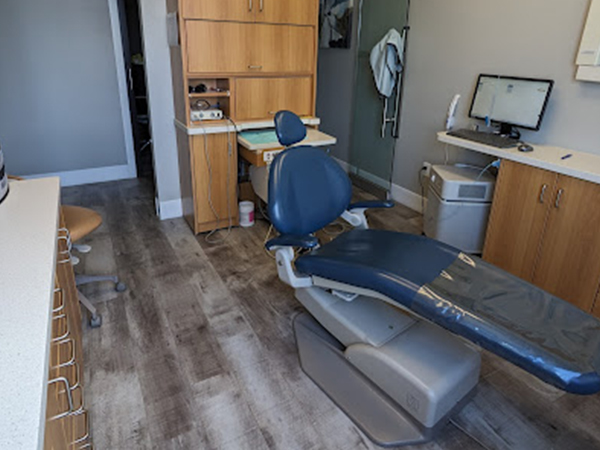
Treatment remains safe in the third trimester, though positioning matters more as your due date approaches. Lying flat can feel uncomfortable, so we adjust the chair and use pillows to keep you comfortable and support healthy blood flow. Appointments are often kept shorter, with breaks as needed.
Share your due date and trimester when you book so we can plan the right timing and positioning.
True emergencies are treated right away; non-urgent items may be scheduled for the second trimester.
With your comfort protected, we complete safe treatment and give clear home-care guidance.
Are Dental X-Rays Safe While Pregnant?
Yes, dental X-rays are considered safe during pregnancy when they are needed, thanks to very low radiation doses and protective shielding. Dentists only take images when they genuinely change your diagnosis or treatment.
How modern shielding and low-dose imaging protect you and baby
Dental X-rays use a tiny amount of radiation focused on a small area of your mouth, far from your abdomen. A protective apron and thyroid collar add another layer of safety. Guidance on oral care in pregnancy confirms that necessary radiographs with proper shielding are appropriate, as noted in this review of oral care during pregnancy.
When imaging is medically necessary
We take an X-ray only when it will guide urgent care, such as confirming an abscess, checking the extent of an infection, or evaluating a broken tooth. If an image is not needed to treat your emergency, we simply do not take one. You always have the chance to ask why an image is being recommended.
What to Expect During an Emergency Dental Visit in Pregnancy
An emergency visit during pregnancy looks much like any urgent appointment, with extra attention to your comfort and coordination with your maternity team. Nothing about being pregnant should make you hesitate to get help.
Sharing your pregnancy details and due date
The first thing we ask is how far along you are and what your due date is. This shapes positioning, timing, and any medication choices. There are no wrong questions here, so please share anything on your mind.
Coordinating with your obstetrician or midwife
For anything beyond routine urgent care, we are glad to coordinate with your obstetrician or midwife. Bring their contact details so we can quickly confirm any medication concerns. This teamwork keeps everyone confident in your care plan.
Procedures commonly performed safely
- Treating and draining a dental abscess
- Root canal therapy to save an infected tooth
- Fillings for painful cavities
- Repairing a cracked or broken tooth
- Careful cleaning of inflamed gums
How Untreated Dental Problems Can Affect Pregnancy
Untreated dental infection and gum disease can add stress to your body and have been linked in research to poorer pregnancy outcomes, which is exactly why prompt care matters. Addressing problems early protects both you and your baby.
Links between oral health and pregnancy outcomes
Studies exploring the connection between oral health and pregnancy suggest that severe, untreated gum disease and infection may be associated with less favorable outcomes, as discussed in this review on the influence of oral health on pregnancy outcomes. While no dentist can promise a specific result, keeping your mouth healthy is a sensible part of a healthy pregnancy.
Signs you should not wait to seek care:
- Facial or gum swelling
- Throbbing pain that disturbs sleep
- Fever alongside a dental problem
- A bad taste or discharge near a tooth
- A knocked-out or badly broken tooth
Any of these means you should call the same day.
Emergency Dental Care for Pregnant Patients in Kitchener, Ontario
Our Kitchener team provides calm, coordinated emergency dental care for expectant mothers, with attention to comfort and safe treatment choices. You do not have to figure out whether it is worth calling; if something hurts, reach out.
We take extra time to understand where you are in your pregnancy, adjust positioning, keep appointments efficient, and explain every step. Emergencies and routine visits alike are part of our Family Dentistry care for the Kitchener-Waterloo community.
When to call us right away: Call us the moment you have swelling, severe pain, fever, or a broken tooth. Early attention almost always means simpler, gentler treatment.
Frequently Asked Questions
Q: Is it safe to get emergency dental treatment during pregnancy?
Q: Which trimester is best for dental work?
Q: Are dental X-rays safe while pregnant?
Q: Is local anesthetic safe for pregnant patients?
Q: Can a tooth infection harm my baby?
Q: What should I do if I have a severe toothache while pregnant?
Meet Dr. Jigar Nandola
With over a decade of experience, Dr. Jigar Nandola, a Diamond Invisalign Provider, is dedicated to creating healthy, confident smiles. After practicing in India since 2008, he moved to Canada in 2019 and established his own practice in Kitchener, Ontario, in 2023 to provide care that meets his high standards.
Inspired by his early visits to his uncle’s dental lab and his own dental treatments, Dr. Nandola approaches patients with empathy and understanding. He stays up to date with the latest dental technology, ensuring every visit is comfortable and personalized. Outside the clinic, he enjoys time with family and shares a love for animals with his wife, Monica, also a dentist.
Remember
Emergency dental care is safe during pregnancy, and treating pain or infection promptly protects both you and your baby. When in doubt, call your dentist rather than waiting it out.