What Are Invisalign Chewies and Why Do They Matter?
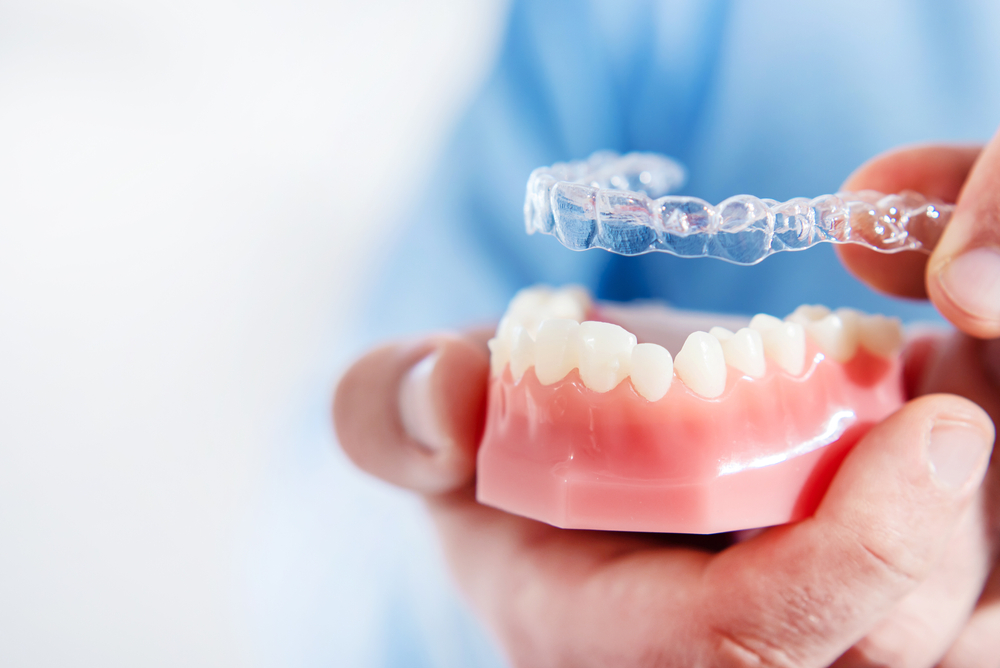
Invisalign chewies are small, soft, spongy cushions you bite down on to press your aligners firmly against your teeth, closing tiny air gaps so each tray seats fully and tracks as planned.
- Chewies help your aligners seat fully by removing small air pockets between the tray and your teeth.
- Bite gently across all areas for a few minutes several times a day, especially with a new set of trays.
- Wearing your aligners about 24 hours a day is the single most important factor for on-track results.
- Dr. Jigar Nandola is a Diamond Invisalign Provider, and treatment often takes about 6 to 8 months.
- If trays will not seat even with chewies, contact South Kitchener Dentistry rather than skipping ahead.
What Are Invisalign Chewies? A Quick Answer
Invisalign chewies are small, soft, roll-shaped cushions you bite down on to help your clear aligners fit snugly against your teeth. They look a little like foam earplugs and are usually made from a soft, springy, plastic-like material that is safe to bite repeatedly. At South Kitchener Dentistry, these are recommended for nearly every aligner patient because they help each tray fit more snugly around the teeth.
Definition and what they're made of
A chewie is a squishy cylinder that compresses when you bite and springs back when you release. That gentle push-and-rebound action is exactly what helps your aligner settle down over every tooth. They come in different flavors and are reusable, so one chewie can last you a good while before it needs replacing.
Chewies vs. aligner trays: how they work together
Your aligner trays do the actual moving of your teeth, while chewies simply help each tray sit where it belongs. Think of the aligner as the plan and the chewie as the tool that presses the plan into place. When you first pop in a new tray, tiny air pockets can form between the plastic and your teeth. Biting on a chewie squeezes those pockets out, so the tray makes full contact and delivers its gentle force evenly.
Why Chewies Matter for Aligner Treatment
Chewies matter because a well-seated aligner is a working aligner, and a loose one is not moving your teeth as intended. A tray that lifts even slightly off the biting edges loses some of its grip, which can slow your progress. A few minutes with a chewie help keep everything on track.
Closing air gaps for a better tray fit
When you first insert a fresh set of trays, they can feel tight and may not fully snap down. Gently biting a chewie along the arch presses out trapped air so the aligner seats completely. This is the most common reason we recommend chewies, and it is where they earn their keep.
Supporting predictable tooth movement
Well-seated aligners help teeth move the way the treatment was designed to move them. Research on clear aligners points to consistent, close-fitting trays as an important part of getting predictable results, since good fit is one of several factors that influence how well aligners perform. You can read more in a systematic review on the factors influencing Invisalign predictability and success.
Helping attachments engage properly
Many aligner plans use small tooth-colored bumps called attachments, and chewies help your trays hug those bumps snugly. If a tray does not fully seat over an attachment, the aligner cannot use that attachment to guide the tooth. Keeping attachments engaged is important, and studies note that attachment loss can affect treatment. See this prospective study on composite attachment loss for background.
How Aligner Fit Shapes Your Results
Good aligner fit is one of the biggest reasons treatment stays on schedule, and chewies are a simple way to support it. The tighter and more complete the fit, the more reliably each tray does its job before you move to the next one.
How fit influences how smoothly things go
When a tray seats fully, it wraps around the teeth and applies the light pressure your plan calls for. When it does not, some teeth may lag, and that can show up later as a tray that will not click into place. Using chewies from day one of each set helps you avoid that slow drift.
The role of steady wear and daily seating
Consistent wear time paired with daily chewie use is a powerful combination. Aligners are designed to be worn about 24 hours a day, and pairing that habit with a quick chewie routine keeps your trays snug. Treatment design and wear consistency both matter, as explored in research on the predictability of tooth movement with aligners.
"I tell my Kitchener patients that chewies are the cheapest insurance in their whole treatment. Two or three quiet minutes a day spent biting these little cushions keep trays seated and the plan on track. It is a tiny habit with an outsized payoff."
How to Use Invisalign Chewies Correctly
To use chewies correctly, place a fresh set of aligners, then bite down gently and steadily on a chewie, moving it around your mouth so every area gets even pressure. The goal is firm, repeated bites rather than aggressive crunching.
Seat your trays with your fingers as far as they will comfortably go before you reach for a chewie.
Place the chewie between your teeth and bite down with steady, gentle pressure, holding each bite for several seconds.
Shift the chewie from the front teeth to the back on both sides so every tooth and attachment gets even seating pressure.
Look and feel for trays that sit flush against your teeth with no visible gaps at the edges.
How long and how often each day
Aim for a few minutes of chewie use several times a day, especially right after inserting your aligners and when you switch to a brand-new set. Many patients build it into a morning and evening routine. Short, regular sessions beat one long marathon session.
Focusing on new trays and problem areas
New trays are the tightest, so give them extra chewie attention for the first couple of days. If one tooth or one side feels like it is not seating, spend a little more time in that zone. Even pressure usually coaxes stubborn spots into place.
- Gentle, steady bites held for a few seconds
- Even pressure across the entire arch
- Extra chewie time with brand-new trays
- A clean chewie rinsed thoroughly after each use
- Ignoring areas where the trays feel loose
- Reusing a torn or worn-out chewie
- Skipping chewies when trays feel tight
Common Questions About Chewies Answered
Most questions about chewies come down to whether you truly need them, whether you can overdo it, and what to do when a tray simply will not cooperate. Here is how I answer them every week.
Does everyone need to use chewies?
Not everyone needs to use chewies, but nearly everyone benefits from them, and I recommend them to the vast majority of my aligner patients. They are especially helpful if you have attachments or tight trays. If your teeth track perfectly without them, that is wonderful, but chewies are cheap insurance either way.
Can you overuse chewies?
You are unlikely to harm anything by using chewies regularly, but there is no benefit to hours of nonstop biting. A few focused minutes several times a day is plenty. If your jaw feels tired, ease off and return later rather than pushing through discomfort.
What to do if trays still don't seat
If your trays still will not seat after consistent chewie use, do not force them or jump ahead to the next set. Keep wearing your current tray about 24 hours a day, keep using chewies, and reach out to us. Sometimes a tray just needs a couple more days, and sometimes we need to take a look.
Caring for Chewies and Your Oral Health During Treatment
Keep your chewies clean and replace them when they wear out, and keep your teeth and aligners clean throughout treatment. A tidy routine protects both your smile and your investment.
Cleaning and replacing chewies
Rinse your chewie with water after each use and store it in a clean, dry place. Replace it once it becomes torn, flattened, or no longer springs back. Chewies are inexpensive, so never hesitate to swap in a fresh one.
Keeping teeth and aligners healthy
Brush and floss thoroughly before reinserting your aligners, and rinse your trays to prevent anything from getting trapped against your teeth. Good daily hygiene keeps your gums healthy and helps your attachments stay put. If you want a full checkup or cleaning during your aligner journey, our Family Dentistry team is here to help.
When to Talk to Your Kitchener Dentist
Talk to your Kitchener dentist whenever your aligners feel like they are not tracking, an attachment falls off, or you have questions about your progress. Catching small fit issues early keeps your 6- to 8-month timeline on course.
Signs your aligners aren't tracking:
- Visible gaps between the tray and the edges of your teeth
- A tray that does not fully seat even after several days of chewie use
- A chipped or loose attachment
- A new set of trays that feels far too loose or too tight
How our team supports your treatment
Dr. Jigar Nandola is a Diamond Invisalign Provider, which reflects extensive experience guiding patients through clear aligner treatment. There are no regular check-ins required as with traditional braces. You will visit South Kitchener Dentistry on set dates that are convenient for you. Your treatment is planned from start to finish, so you do not have to come in for checkups as often as with traditional braces. Clinical consensus supports carefully planned aligner treatment, as outlined in an expert consensus on clear aligner strategies.
Connect with South Kitchener Dentistry
You can reach our team at +1 519-748-9200 or visit our clinic for personalized Invisalign guidance.
Frequently Asked Questions
Q: What are Invisalign chewies used for?
Q: Is everyone supposed to use chewies?
Q: Do chewies actually work?
Q: Can you overuse aligner chewies?
Q: How long should I chew on chewies each day?
Q: What should I do if my aligners still won't fully seat?
Meet Dr. Jigar Nandola
With over a decade of experience, Dr. Jigar Nandola, a Diamond Invisalign Provider, is dedicated to creating healthy, confident smiles. After practicing in India since 2008, he moved to Canada in 2019 and established his own practice in Kitchener, Ontario, in 2023 to provide care that meets his high standards.
Inspired by his early visits to his uncle’s dental lab and his own dental treatments, Dr. Nandola approaches patients with empathy and understanding. He stays up to date with the latest dental technology, ensuring every visit is comfortable and personalized. Outside the clinic, he enjoys time with family and shares a love for animals with his wife, Monica, also a dentist.
Remember
Chewies keep your trays seated, but wearing your aligners about 24 hours a day is what truly moves your teeth. A quick daily chewie habit protects your whole treatment.