
123 Pioneer Dr., Suite B210
Kitchener, ON N2P 2A3

What Dental Problems Can Invisalign Fix?
Meet Dr. Jigar Nandola
With over a decade of experience, Dr. Jigar Nandola is dedicated to creating healthy, confident smiles. After practicing in India since 2008, he moved to Canada in 2019 and established his own practice in Kitchener, Ontario, in 2023 to provide care that meets his high standards.
Inspired by his early visits to his uncle’s dental lab and his own dental treatments, Dr. Nandola approaches patients with empathy and understanding. He stays up to date with the latest dental technology, ensuring every visit is comfortable and personalized. Outside the clinic, he enjoys time with family and shares a love for animals with his wife, Monica, also a dentist.
Introduction
When people think about improving their smile, they often assume the only option is metal braces. But today, there is a much simpler, more comfortable way to correct many dental problems. Invisalign has changed how people approach teeth straightening by offering a clear and convenient solution.
Many patients wonder if their specific dental issue can actually be treated with Invisalign. The good news is that it can address a wide range of concerns, not just minor alignment problems. With proper planning and consistent use, Invisalign can improve both the appearance and function of your smile.
Under the care of Dr. Jigar Nandola, a Platinum Invisalign Provider, patients receive treatment plans carefully designed to meet their individual needs. In this blog, we will explain what dental problems Invisalign can fix and how it works for each case.
How Invisalign Works
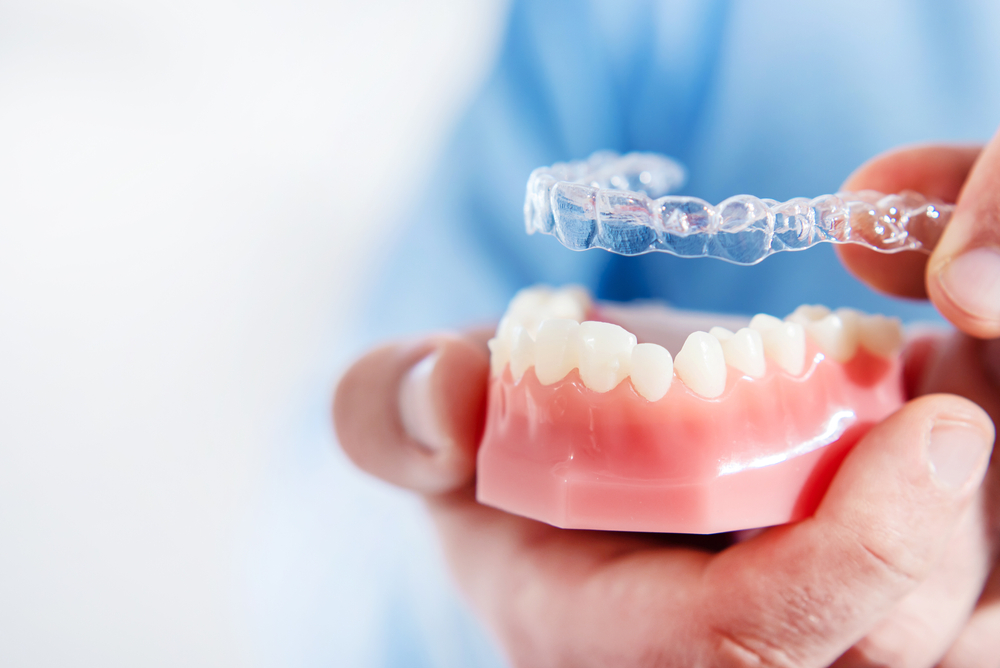
Invisalign uses a series of clear aligners that are custom-made for your teeth. Each aligner is designed to apply gentle pressure and move your teeth step by step into the right position, helping you understand what dental issues Invisalign can correct. You wear each set of aligners for a specific period before switching to the next one. Over time, these small movements lead to noticeable changes in your smile.
The key to success is wearing the aligners consistently. They should be worn at all times, except during oral hygiene. This helps maintain steady progress throughout the treatment.
Crowded Teeth
Crowding is one of the most common dental problems. It happens when there is not enough space in your mouth for all your teeth to fit properly. Teeth may overlap, twist, or push against each other. This not only affects how your smile looks but also makes it harder to clean your teeth properly, which is why many patients explore Invisalign for gaps and spacing issues.
Invisalign helps by gradually creating space and aligning the teeth into better positions. As the teeth move into place, it becomes easier to maintain good oral hygiene.
Gaps Between Teeth
Gaps or spaces between teeth can occur for different reasons, including jaw size or missing teeth
While some people may not mind small gaps, larger spaces can affect both appearance and oral health. Food can easily get stuck, leading to irritation or plaque buildup.
Invisalign works by gently moving teeth into an ideal position. The aligners guide the teeth into a more balanced and even arrangement.
Overbite
An overbite occurs when the upper front teeth overlap the lower teeth more than they should. A mild overbite is common, but a deeper one can lead to uneven tooth wear and jaw discomfort. Invisalign can help correct this by gradually moving both the upper and lower teeth. Over time, the bite becomes more balanced, improving both comfort and function, making a professional evaluation of Invisalign correction options an important step in planning your treatment.
Underbite
An underbite happens when the lower teeth sit in front of the upper teeth when the mouth is closed.
This condition can make chewing difficult and may affect speech. It can also lead to long-term stress on the jaw.
Invisalign works by slowly guiding teeth into better alignment.
Crossbite
A crossbite occurs when some upper teeth sit inside the lower teeth instead of outside.
This can lead to uneven tooth wear and may also affect gum health. Invisalign helps reposition the teeth so that the upper and lower teeth align properly, which is why many patients consider Invisalign for gaps and spacing issues. This reduces pressure on specific teeth and improves overall balance.
Open Bite
An open bite means that the upper and lower teeth do not touch when the mouth is closed.
This can affect chewing and, in some cases, speech.
Invisalign works by adjusting the vertical position of the teeth so they can come into proper contact with each other.
Mild to Moderate Bite Issues
Many people have a combination of alignment and bite problems. These may include slight crowding along with bite irregularities. Invisalign is very effective in treating mild to moderate cases, and many patients ask, "Can Invisalign fix bite issues?” as part of their treatment planning. With proper planning, it can address multiple concerns simultaneously.
Dr. Jigar Nandola carefully evaluates each case to ensure the treatment approach is suitable and effective.
Relapse After Previous Treatment
Sometimes, teeth can shift back after earlier treatment if retainers are not worn as advised.
This is known as relapse, and it is more common than many people think.
Invisalign can help correct these changes and restore the teeth to proper alignment. Many adults choose Invisalign for this reason because it is simple and comfortable to use.
Rotated or Tilted Teeth
Teeth do not always grow in a straight line. Some may be slightly rotated or tilted.
Even small misalignments can affect how your smile looks. Invisalign applies controlled pressure to gently rotate and straighten these teeth over time, addressing various dental problems Invisalign can fix. This helps create a more even and natural-looking smile.
Benefits Beyond Appearance
While improving your smile is a big advantage, Invisalign also supports better oral health.
Straight teeth are easier to clean, reducing the risk of plaque buildup and gum disease.
A balanced bite also helps distribute pressure evenly when you chew. This reduces strain on certain teeth and protects them from damage.
What to Expect During Treatment
The Invisalign process is designed to be simple and structured.
It usually starts with a consultation where your goals and concerns are discussed. Digital scans are then used to create a personalized treatment plan.
Each aligner is designed in advance, so your entire treatment is planned from start to finish.
This means fewer visits compared to traditional braces.
You will still have scheduled check-ins, but they are less frequent and more convenient.
Is Invisalign Right for Everyone?
Invisalign is suitable for many dental problems, especially mild to moderate cases. However, some complex conditions may require different approaches. The best way to know whether Invisalign is right for you is to consult with Dr. Jigar Nandola, who can provide dentist-approved Invisalign treatment solutions after evaluating your condition and recommending the most suitable option
Real Stories, Real Community Impact
Patients often share that their Invisalign journeys are transformative, both physically and emotionally. These stories reflect the trust built through transparency, innovation, and patient-first care.
If you want to hear directly from patients, explore their experiences on the Reviews page.
For directions, use this helpful Google Map or get step-by-step navigation through Get Directions.
Key Takeaways
- Invisalign treats more than just crooked teeth
It can correct crowding, gaps, bite issues, and even minor relapse cases, making it a versatile solution.
- Treatment works through gradual, controlled movement
Clear aligners apply gentle pressure over time, leading to steady and noticeable improvements.
- Consistency is the key to success
Wearing aligners as instructed ensures proper tracking and helps achieve the desired results efficiently.
- It improves both appearance and oral health
Straighter teeth are easier to clean, and a balanced bite reduces strain and long-term dental issues.
- Professional evaluation is essential
Consulting with Dr. Jigar Nandola helps determine if Invisalign is the right option and ensures a personalized treatment plan.
FAQ’s
1. Can Invisalign fix more than just crooked teeth?
Yes, Invisalign can treat a variety of issues, including crowding, gaps, and bite problems.
2. How long does Invisalign treatment take?
The duration depends on the condition being treated. It can range from a few months to over a year.
3. Is Invisalign comfortable?
Most patients find Invisalign comfortable. You may feel slight pressure when switching aligners, but it usually fades quickly.
4. Do I need to visit the clinic often?
No, Invisalign requires fewer visits than traditional braces because the treatment is planned.
5. Will my teeth stay in place after treatment?
Yes, with proper retainer use, your results can last long term.
Conclusion
Invisalign is a reliable solution for correcting many common dental problems. From crowded teeth to bite issues, it offers a simple and effective way to improve your smile, including Invisalign for gaps and spacing issues. With the right plan and consistent use, patients can achieve lasting results without the discomfort of traditional braces
Under the guidance of Dr. Jigar Nandola, a Platinum Invisalign Provider, patients receive personalized care that focuses on both appearance and function. If you are thinking about improving your smile, Invisalign could be the right step forward.
Remember
Wear your aligners consistently to ensure steady progress. Follow your dentist’s instructions to maintain long-lasting results.
Disclaimer
This blog is for informational purposes only and should not be considered medical advice. Please consult Dr. Jigar Nandola for a proper diagnosis and treatment plan.
Dental
Care Services
Keep
In Touch

- Monday 8:00am - 7:00pm
- Tuesday 8:00am - 7:00pm
- Wednesday 8:00am - 5:00pm
- Thursday 8:00am - 5:00pm
- Friday 8:00am - 1:00pm
- Saturday Closed
- Sunday Closed
© 2026 South Kitchener Dentistry. All rights Reserved - Accessibility Statement - Privacy Policy - Sitemap
Powered by
